
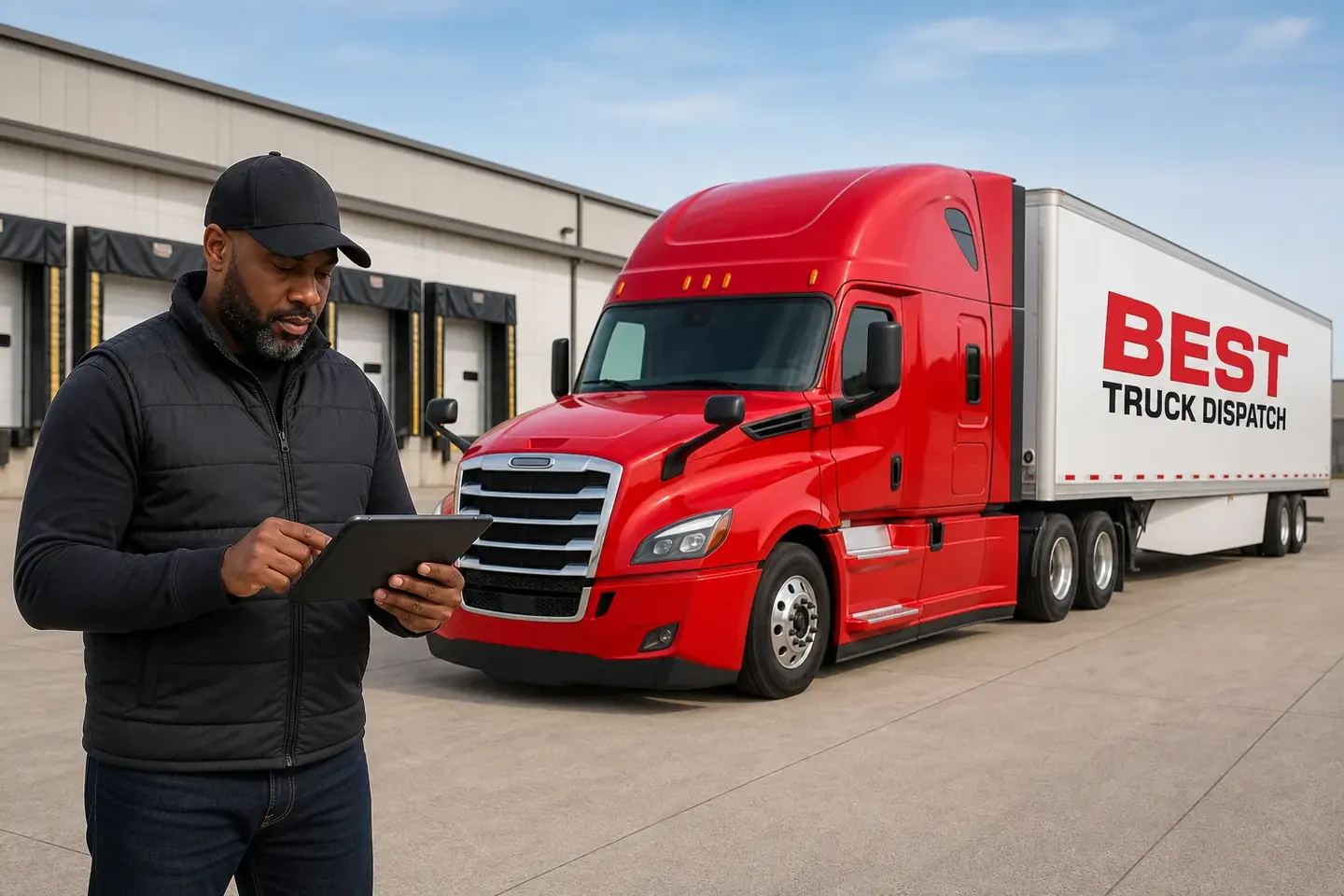
To register a trucking company in the United States, establish your business, obtain an EIN, determine your USDOT and operating-authority requirements, and arrange the insurance and state credentials your operation needs. The right sequence depends on what you haul, whose freight you carry, and where you operate. Getting a number is not the same as being ready to haul.
Start with your operation, not an application
Before buying a registration package, describe the business in plain English. Will you haul other companies’ freight or only your own products? Will you cross state lines? What truck, trailer, and cargo will you use? A dry van carrier moving customers’ goods between states has different needs from a local business delivering its own equipment. Even a trip inside one state can be part of an interstate shipment. Write down your planned lanes and freight types before selecting application categories. Guessing now can create expensive corrections later. If your model is still changing, settle these decisions before paying filing fees.
1. Establish the business and keep its identity consistent
Choose your ownership structure with qualified tax or legal advice, then complete the applicable formation or registration process in your state. An LLC is one option, not a universal trucking requirement. Check the proposed name before ordering branding or opening accounts. Use the same legal business name, address, and ownership information across tax, banking, insurance, and transportation records. Keep a separate note of any trade name. A simple registration folder should hold formation documents, contact information, and a list of who is authorized to sign. Small differences between records can turn an otherwise straightforward setup into a series of follow-up requests.
2. Get your EIN directly from the IRS
An Employer Identification Number identifies your business for federal tax purposes. The IRS issues EINs free of charge; eligible online applicants can receive one immediately after approval. If you are forming an entity, the IRS says to form it with your state before applying. Keep the confirmation with your business records. A service provider may charge for assistance, but that is not an IRS EIN fee. Never send Social Security numbers or identity documents through an ordinary inquiry form or casual message. Ask for a secure process if sensitive information is genuinely required to complete a filing.
4. Coordinate insurance and the BOC-3 filing
Discuss your exact operation with a licensed commercial insurance agent before committing to equipment expenses. Required coverage depends on the operation and cargo, and customers may request coverage beyond regulatory minimums. For authority requiring insurance filings, the insurer must make the appropriate filing with FMCSA; a certificate emailed to you is not a substitute. Arrange the required BOC-3 process-agent designation as well. Ask who will submit each item and how you will confirm acceptance. Keep effective dates aligned with your launch plan so you understand what you are paying for while approval is pending.
5. Check state credentials, UCR, and vehicle taxes
Federal registration is only part of the checklist. Ask your base-state agencies whether your vehicles and routes require apportioned plates, fuel-tax credentials, intrastate authority, or trip permits. Review whether Unified Carrier Registration applies to your business and budget for recurring obligations, not just startup work. Heavy-vehicle tax requirements also need attention where applicable. Avoid buying every permit someone offers without checking its purpose. Build a renewal calendar that names the credential, issuing agency, due date, and person responsible. Keep proof accessible to the people who manage your vehicles, but protect account passwords and personal records.
How much does trucking company registration cost?
There is no single all-inclusive government price. FMCSA lists a $300 fee for each type of permanent operating authority, and an incorrect application can mean a nonrefundable fee. State formation charges, plates, permits, insurance, and professional assistance are separate. Request an itemized quote showing government charges, service fees, optional extras, and ongoing renewals. Ask whether insurance premiums, state fees, or taxes are excluded. Your working budget should also cover fuel, maintenance, parking, and the time between completing a load and getting paid. A low registration headline does not tell you what it will cost to put the truck to work.
How long before you can book your first load?
FMCSA lists approximately 20–25 business days for new URS operating-authority applications; additional review can add eight weeks or longer. That is a planning reference, not a promised launch date. Insurance, process-agent filings, state credentials, and corrections can affect readiness. Confirm that required authority is active before hauling under it. Then check each broker’s onboarding requirements: some have their own authority-age or insurance rules. Avoid promising a pickup date simply because a number has arrived. Leave room in your cash plan for administrative delays and for building relationships with customers willing to work with a new carrier.
Prepare for compliance before the first dispatch
Registration starts an ongoing responsibility. FMCSA’s New Entrant program monitors new motor carriers for 18 months, with a safety audit generally within 12 months for property carriers. Prepare driver qualification records, maintenance documentation, hours-of-service records, and applicable drug-and-alcohol compliance before operations begin. Do not leave the paperwork until someone asks for it. Assign ownership of each task, including in a one-truck business where the owner wears every hat. A dispatcher can help coordinate freight, but the carrier still needs to understand its safety obligations and make informed decisions about the loads it accepts.
Choose support that explains the work clearly
A useful registration service should explain what it will file, what it needs from you, and what remains your responsibility. Ask how you will receive confirmation, who answers questions after submission, and whether you retain access to your own accounts. Be cautious with guaranteed approval dates or promises of immediate profitable freight. Before purchasing, compare the written scope against your actual operation. Keep copies of receipts and submitted information. The goal is not a pile of numbers; it is a business you understand, with a clear next step and a realistic plan for staying compliant.
Frequently asked questions
Can I register a trucking company before buying a truck?
You can begin planning and business formation first. Coordinate equipment decisions with your insurer and registration adviser so vehicle details, coverage, and operating plans match before launch.
Does a registration package include every permit?
Not necessarily. Read the written inclusions and exclusions. State credentials, insurance, renewals, and specialized permits may be separate even when a package includes federal application assistance.
Is Best Truck Dispatch a government agency?
No. Best Truck Dispatch is a service brand operated by LoadaiX, not FMCSA or the IRS. Government approval decisions remain with the relevant agencies.
Build your registration plan with Best Truck Dispatch
Use our guided startup form to share your proposed business, equipment, cargo, and operating plans one question at a time. Review your answers before submitting, then compare the available package details. This guide is general information, not individualized legal or tax advice; confirm requirements with the relevant agencies and qualified advisers.
Start Trucking Company