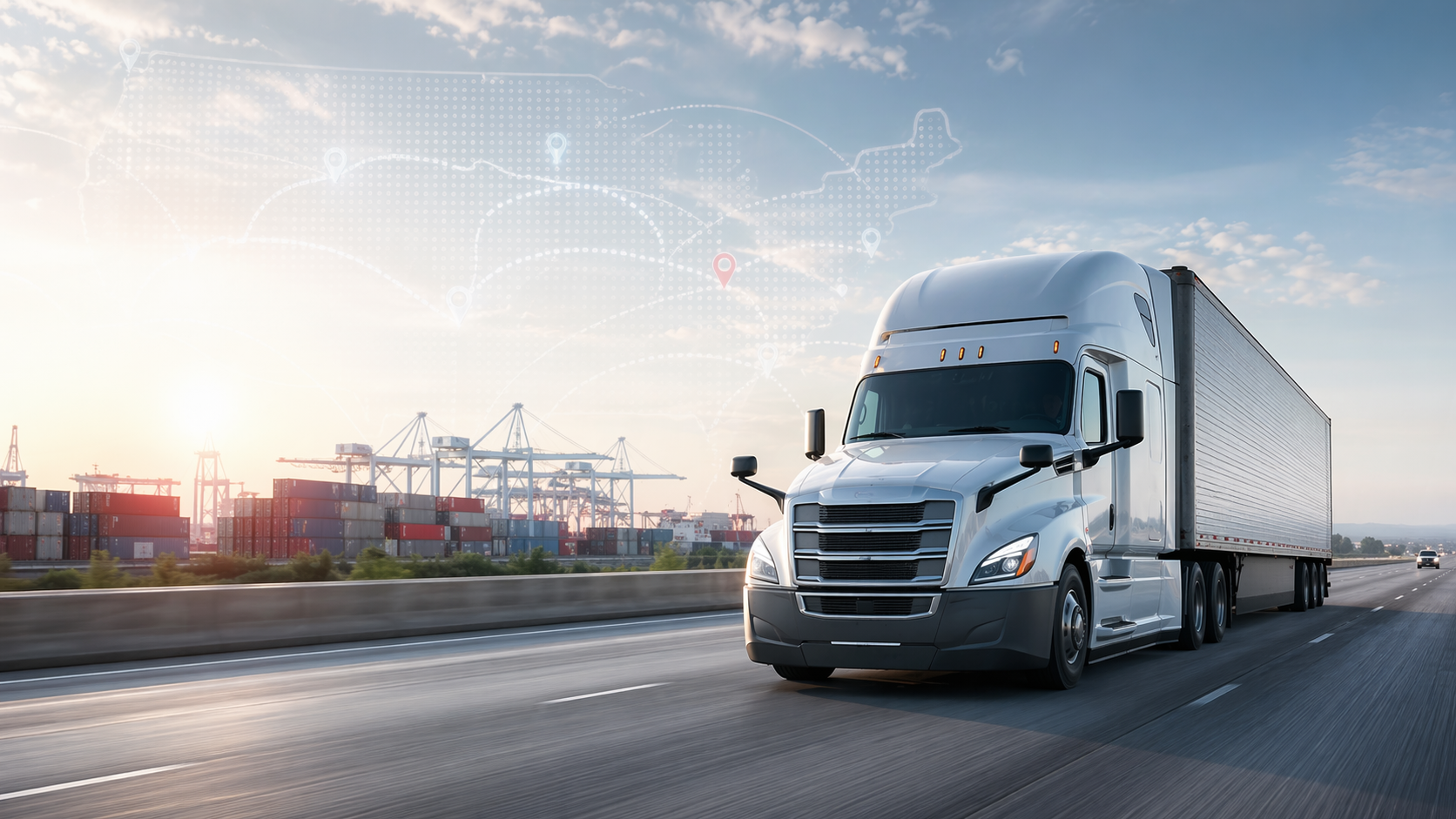
For owner-operators, 2026 is not a year where profit can be left to chance. Freight markets are competitive, brokers are selective, operating costs remain serious, and every poor load decision can affect the entire week. The difference between a busy truck and a profitable truck often comes down to planning, communication, negotiation, and consistency. That is exactly where a professional truck dispatch service can become one of the most valuable support systems for an owner-operator.
A strong truck dispatch company does more than search load boards. The right dispatcher helps protect your time, reduce deadhead miles, improve broker communication, organize paperwork, and support smarter freight decisions. For independent truckers who are driving, managing expenses, handling compliance, and trying to grow a business at the same time, dispatch support can create the structure needed to maximize profit in 2026.
Why profit is harder for owner-operators in 2026
Owner-operators have always carried more responsibility than company drivers. They are not only moving freight, they are running a business. That means fuel costs, insurance, maintenance, factoring fees, truck payments, permits, tolls, and downtime all affect the final number. A high gross load does not automatically mean a strong profit. The load has to fit the lane, timing, reload opportunity, equipment type, and real operating cost.
In 2026, profit-focused owner-operators need to think beyond simply staying loaded. They need to ask better questions before accepting freight: Does this load position the truck well for the next move? Is the rate strong enough for the miles and time required? Are pickup and delivery appointments realistic? Is the broker responsive? Will the load create deadhead or detention risk? A professional dispatch service helps answer these questions before the truck is committed.

1. Dispatch services help owner-operators find better load opportunities
One of the biggest ways a truck dispatch service helps increase profit is by improving load search quality. Many owner-operators lose money because they accept loads too quickly, wait too long to search, or focus only on the current load instead of the full lane strategy. A dispatcher can monitor freight options, compare markets, evaluate lane movement, and help identify loads that make sense for the equipment and business goals.
For dry van, reefer, flatbed, step deck, power only, box truck, and hotshot carriers, load quality depends on different factors. Reefer freight may require tighter appointment control. Flatbed and step deck freight may involve more detailed load requirements. Box truck and hotshot work may depend heavily on speed, local demand, and quick communication. A good dispatcher understands that each equipment type needs a different freight strategy.
2. Better rate negotiation can directly improve weekly revenue
Rate negotiation is one of the clearest profit advantages of using a dispatch company. Many owner-operators are excellent drivers, but they do not always have time to negotiate every load while managing the road. A dispatcher can communicate with brokers, ask the right questions, compare the load against lane conditions, and push for a stronger rate when possible.
Even small improvements in rate negotiation can matter. An extra $100, $200, or $300 on a load may help cover fuel, tolls, maintenance reserves, or deadhead risk. Over the course of a month, stronger negotiation can create meaningful revenue improvement. The goal is not only to book more loads. The goal is to book better loads with better numbers and better operational fit.
3. Dispatch planning reduces deadhead and wasted miles
Deadhead miles are one of the quiet profit killers in trucking. A load may look profitable at first, but if it leaves the truck in a weak freight market or requires too many empty miles to reload, the real profit can drop fast. Professional dispatch support helps owner-operators think ahead before accepting a load.
Good dispatch planning considers where the truck is going, what freight may be available after delivery, and whether the next market supports the carrier’s goals. This does not guarantee every week will be perfect, but it helps reduce random decision-making. Owner-operators who plan lanes more carefully usually have a better chance of protecting weekly revenue.
4. Strong broker communication protects time and reputation
Professional broker communication is a major part of profitable trucking. Missed updates, unclear appointment times, late paperwork, or slow responses can damage relationships and create delays. A dispatcher helps keep communication cleaner from booking to delivery.
This includes confirming pickup details, delivery appointments, commodity information, weight, special instructions, rate confirmations, check calls, and paperwork follow-up. When communication is organized, the carrier appears more professional. That can help owner-operators build better broker relationships and reduce the friction that causes wasted time.
5. Dispatch support lets drivers focus on driving safely
Time is one of the most valuable assets for an owner-operator. Every hour spent searching load boards, calling brokers, chasing paperwork, or managing appointment details is time taken away from driving, resting, maintaining equipment, or planning the business. A dispatch service helps reduce that pressure.
When the dispatcher handles freight search, broker communication, and administrative follow-up, the driver can focus more on safety, service, and execution. That matters because fatigue, distraction, and rushed decision-making can become expensive. A calmer, more organized workflow supports better performance on the road.
6. Paperwork follow-up helps speed up billing and cash flow
Profit is not only about booking loads. It is also about getting paid correctly and on time. Proof of delivery, rate confirmations, lumper receipts, accessorial notes, detention documentation, and billing details all matter. If paperwork is late or incomplete, payment can be delayed.
A professional truck dispatch service can help keep paperwork organized and make sure the right documents are collected after the load. For owner-operators working with factoring companies, clean paperwork can support a smoother funding process. Better paperwork discipline helps protect cash flow, which is essential for fuel, repairs, insurance, and daily business stability.
7. No forced dispatch helps carriers keep control
A good dispatch service should support the carrier, not pressure the carrier into poor decisions. No forced dispatch means the owner-operator remains in control of which loads are accepted. The dispatcher can recommend freight, explain the opportunity, negotiate the rate, and provide lane insight, but the final decision stays with the carrier.
This is important because every owner-operator has different goals. Some prefer long-haul freight. Some prefer regional lanes. Some want to avoid certain areas, brokers, appointment times, or freight types. A dispatch partner should understand those preferences and work within the carrier’s business strategy.
8. Dispatch services help new authorities avoid costly mistakes
New owner-operators and new authorities often need extra structure. The first months of operating authority can be challenging because brokers may ask for documents, insurance details, factoring information, references, and onboarding packets. A dispatch company can help new carriers understand what is needed and respond more professionally.
New carriers may also be tempted to accept weak freight just to stay moving. While every situation is different, poor early decisions can create bad habits and financial pressure. Dispatch support can help new authorities evaluate load options, understand broker expectations, and build a more organized workflow from the beginning.
9. Equipment-specific dispatch improves decision-making
Not all freight is the same, and not all dispatch strategies should be the same. Dry van dispatch, reefer dispatch, flatbed dispatch, box truck dispatch, hotshot dispatch, step deck dispatch, and power only dispatch each require different planning. A load that makes sense for one equipment type may be wrong for another.
For example, reefer carriers must pay close attention to appointment windows and temperature-sensitive freight. Flatbed and step deck carriers must confirm load dimensions, securement expectations, tarping details, and weight. Box truck and hotshot carriers often need faster local or regional coordination. Owner-operators can improve profitability when dispatch decisions are based on the equipment they actually run.
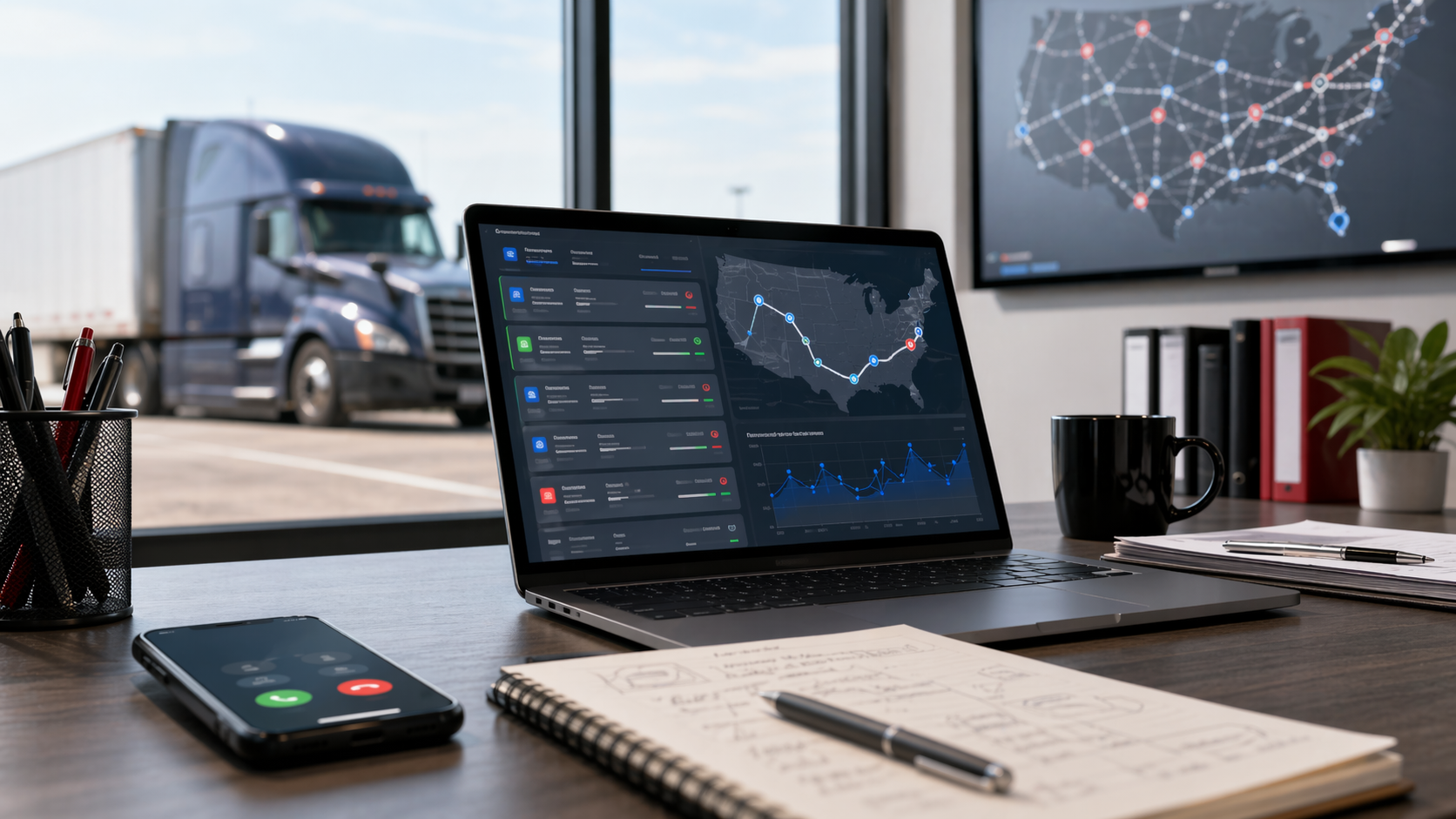
10. A dispatch company can help build a more consistent business rhythm
Many owner-operators do not struggle because they cannot work hard. They struggle because the business feels reactive. One week is strong, the next week is messy. One broker communicates well, another creates confusion. One load pays well, another causes delays. Professional dispatch support helps create a more consistent rhythm.
That rhythm includes planning ahead, searching earlier, confirming details, tracking documents, communicating professionally, and keeping the carrier focused on profitable movement. Consistency is one of the most important parts of long-term trucking success.
What to look for in a truck dispatch service in 2026
Owner-operators should not choose a dispatcher based only on big promises. A reliable dispatch company should be clear about communication, fees, services, paperwork expectations, and how load approval works. Look for dispatch support that understands your equipment type, respects no forced dispatch, communicates quickly, and focuses on long-term carrier success instead of random load volume.
Before starting, owner-operators should be ready to share important details such as MC number, DOT number, insurance information, W9, factoring details, preferred lanes, equipment type, and business goals. The more accurate the setup information is, the easier it becomes for the dispatcher to support the operation properly.
How Best Truck Dispatch helps owner-operators maximize profit
Best Truck Dispatch supports owner-operators, carriers, and small fleets across the United States with practical truck dispatch services built around load search, rate negotiation, broker communication, lane planning, paperwork support, and carrier onboarding. Our approach is focused on helping carriers stay organized, communicate professionally, and make better freight decisions.
Whether you run a dry van, reefer, flatbed, step deck, power only, box truck, or hotshot operation, the goal is the same: reduce wasted time, improve freight decisions, and support stronger weekly revenue. We believe dispatch should feel like a real business support system, not just someone sending random load options.
Final thoughts
In 2026, owner-operators need more than hard work to maximize profit. They need better planning, stronger negotiation, cleaner broker communication, organized paperwork, and a dispatch strategy that respects their business goals. A professional truck dispatch service can help create that structure.
If you are an owner-operator looking for better loads, stronger communication, no forced dispatch, and a more organized freight workflow, Best Truck Dispatch can help you take the next step. Reach out today to discuss your truck type, lanes, and dispatch support needs.